Q. My husband is 76 years old and was just diagnosed with Glaucoma. He doesn’t have high eye pressure though. How can that be?
Your husband’s diagnosis is based on a number of factors, most importantly, the health of his optic nerves. Glaucoma, by definition of The American Optometric Association and The Academy of Ophthalmology is a chronic optic nerve disease characterized by loss of healthy nerve tissue resulting in characteristic side vision losses.
Note that “eye pressure” is not even included in the definition. Eye pressure is considered a risk factor and is a treatable one in the presence of optic nerve damage. Not everyone with high eye pressure will develop glaucoma and not everyone with glaucoma will have high eye pressure.
Q. I poked myself with a hairbrush 4 months ago and was treated for a corneal abrasion. It healed well and yet, suddenly, over the past few days, the eye that was injured feels like the abrasion is back. It really hurts. Why has the pain returned?
It sounds like you have a recurrent corneal abrasion which eye doctors call a recurrent erosion. This can occur in the aftermath of a corneal injury, like an abrasion. The original injury may have healed symptomatically, but structurally the layers of the cornea did not plant down firmly. This makes them vulnerable to suddenly “falling off” at a later date and is essentially another abrasion. Corneal abrasions hurt, as you will attest! You should see your eye doctor as there are eyedrops, and treatments to manage the pain, help the layers stick better and minimize the chance of recurrence.
Q. Do all people with diabetes lose their vision? I was just diagnosed with Type 2 diabetes and am worried about going blind.
Fortunately no. Most patients with Type 2 diabetes can retain their vision, yet annual, or more frequent eye health and vision examinations need to be part of your treatment plan. The risks of vision threatening changes increase the longer you have diabetes, the higher and longer you have an elevated HBA1c (a marker of the average blood sugar over the past three months), and if you also have other cardiovascular conditions.
Because we don’t know how long many of our Type 2 adult diabetic patients have had insulin insufficiency, an eye health exam including a dilated or widefield imaging with OCT is recommended at the time of diagnosis. Technology, examination methods and specialized drugs to treat diabetic leakage from retinal blood vessels have helped many patients retain their vision for many years.
Our advice: exercise, lower your A1c, practice more strict control of blood sugar, manage all treatable cardiovascular conditions and stay regular with your internal medicine, eye doctor, dental and podiatric visits.
Q. I have astigmatism. Will I pass that on to my children?
Great question and the likelihood is yes. Yet here is why I say that. Astigmatism which is really an oval shaped optical prescription (football) rather than a sphere (basketball) is really common. About 90% of people have some level of measurable astigmatism, so the odds are forever in your favor…and that of your kids.
So, if it is common to have some astigmatism, what is the big deal? It depends on the magnitude or amount of astigmatism. Some people have so little astigmatism they do not even need to wear glasses. Many need the astigmatism corrected with glasses and/or contact lenses. We can correct it with Lasik (laser vision) also. Higher amounts are a bit more likely to be inherited so your risk of passing it on to your kids and it being significant may be more due to your genetics? There is a condition where patients have high levels of astigmatism due to a thinning of the cornea. This is called Keratoconus. That is a bit of a different beast altogether but there are optical, contact lens and stabilizing treatments for that condition if it is the cause of high astigmatism.
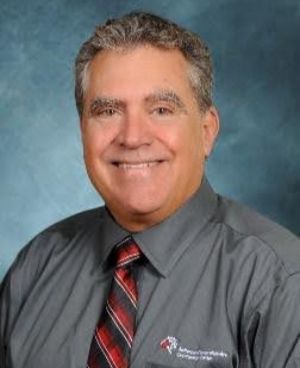
Dr. Scott Edmonds is the senior partner of Edmonds Eye Associates in Philadelphia and a member of the medical staff at Jefferson/Magee/Moss Rehabilitation Hospital. He is the Emeritus Co-Director of the Low Vision, Contact Lens and Brain Injury Rehabilitation Service at Wills Eye Hospital. He is the former Chief Eyecare Officer at United Healthcare. He is a clinical professor at Western University of Health Sciences- College of Optometry, a member of the adjunct faculty of the Pennsylvania College of Optometry at Salus/Drexel University and a member of the Allied Medical staff of the Lankenau Hospital. He has written and lectured extensively on clinical and public health topics.
A 1976 graduate of Indiana University of Pennsylvania and a1980 graduate of the Pennsylvania College of Optometry, Dr. Edmonds is a past President of the Philadelphia Optometric Society, the Chester Delaware Optometric Society and the 1988 President of the Pennsylvania Optometric Association. On the national level, he has served as the Chairman of a number of committees for the American Optometric Association and has completed two terms on the American Council on Optometric Education.
Dr. Edmonds was honored by the Pennsylvania College of Optometry as the Preceptor of the Year in 1983. He was honored as the Optometrist of the Year in 1985 by the Philadelphia Optometric Society and again in 2008 by the Chester-Delaware Optometric Society. He was the honored as the Pennsylvania Optometric Association Optometrist of the Year in 2008. He was 2015 APEX Award winner for Publication Excellence in the category of Social Media Blog Content and the 2016 winner of the Dr. Jerry P. Davidoff Memorial Award for Leadership Service.
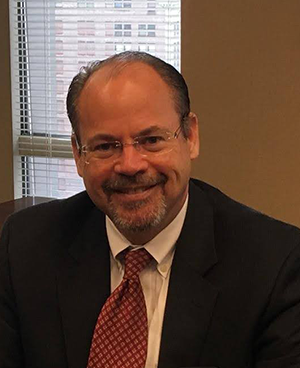
Extensive Senior Executive Experience in the Eye Care Industry, both Internationally and Domestically. Entrepreneurial approach to business with experience in ownership and management of both start-up and established businesses. A solid foundation in Finance, Accounting, Deal Negotiations, Mergers and Acquisitions. Bilingual (Japanese). Certified Public Accountant.
Business & Executive Experience
2017 – 2025
Senior Vice President – Business Development, Keplr Vision, LLC, NY, NY. Private equity backed roll-up in the Eye Care Space. Oversight of acquisitions from the founding of the company to the present, involving 278 locations and representing over $600 million acquisition spend.
2014 to 2017
Vice President – Acquisitions, Eye Care Partners, LLC, St. Louis, MO. Private Equity backed roll-up. Managed all aspects of the acquisition process representing over $200M acquisition spend.
1997 to 2013
Owner & CEO, Thoma & Sutton Eye Care, LLC, Cincinnati, OH.
22 retail locations with Ophthalmic Lab and RGP Contact Lens Manufacturing Lab. Ranked 42nd in the nation. Sold to Eye Care Partners, LLC in 2014.
1995 to 1996
Executive Vice President, Visual Options, Inc., London, UK Oversight of acquisitions in the USA of Ophthalmology and Optometric offices.
1989 – 1996
Manager of the International Division, Paris Mike, Inc., Tokyo, Japan. Managed the international investments of this $1.2 Billion public traded company. Extensive holdings in the UK, USA, Australia, France, and Hong Kong.
1992 – 1996
President and CEO, Lens Lab, Inc., Louisville, KY. Wholly owned subsidiary of Paris Miki, Inc. (see above). This was a troubled investment of Paris Miki. Managed all aspects of this 21-store optical chain to a successful conclusion and sale to LensCrafters.
1986 – 1989
Certified Public Accountant, Price Waterhouse Coopers, Phoenix, AZ. Started in Audit and moved into Mergers & Acquisitions.
Other Business Activities:
2008 to 2013
International Consultant/Advisory Board, Adlens, LTD, Oxford, UK Adlens is a technology innovation company that develops variable focus lenses.
2002 to 2012
Founding Member/Board Member, SbioMed, Inc, Provo, UT Raised initial capital. Involved with EPA Regulatory Approvals, negotiations with various Government Agencies, including Military Joint Acquisition Program.
2008 to 2022
Advisory Board Member, Strawb, Inc., Tokyo, Japan Strawb, Inc. specializes in developing and bringing new technologies to market.
1983 to 1989
Liason, Utah State Economic Development Office, Salt Lake City Served as Liason representing the State of Utah assigned to numerous Japanese Government, Business and Press Officials. Worked directly with Senator Orrin Hatch on several projects.