Diabetes
$15.00
This course is intended for beginner, intermediate, and advanced levels.
After completing this section the student should be able to do the following:
- List the 4 types of Diabetes
- Describe each of the 4 types of Diabetes
- Describe how the pancreas plays a part in Diabetes
- Identify normal blood glucose levels, pre diabetic blood glucose levels, and diabetic blood glucose levels
- Describe what insulin is and where it is produced
- List 4 symptoms that may indicate a patient should be tested for Diabetes
- State how A1C testing works and how it helps track blood glucose levels
- Identify 3 ethnic groups who may be at higher risk of developing Diabetes
- List 4 eye diseases/ complications that can result from Diabetes
- Describe what Rubeosis is and how it related to Diabetes
- Explain how Diabetes and glaucoma are related
- Describe how Diabetes can affect the development of cataracts
- Explain what a pupil sparing 3rd nerve palsy is and what problems the patient may experience
- Explain what a 4th nerve palsy is and what problem the patient may experience
- Explain what a 6th nerve palsy is and what problem the patient may experience
- Describe the prognosis for a diabetic with a nerve palsy
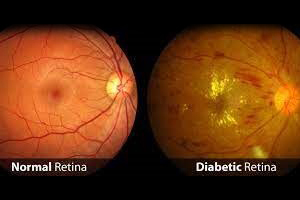
- Describe Diabetic retinopathy
- List 3 types of Diabetic retinopathy
- Explain what changes take place in background Diabetic retinopathy
- Describe what changes take place in non proliferative Diabetic retinopathy
- Describe the changes that take place in proliferative Diabetic retinopathy
- Explain how Diabetic macular edema occurs
- List 3 treatments that may be used for different types of Diabetic retinopathy
- Identify 6 classes of oral medications used to treat Diabetes
- List 3 types of Insulin
- Describe the changes that take place in proliferative Diabetic retinopathy
- List 6 different oral Diabetic medications
- List 4 pertinent questions technicians should ask Diabetic patients
This course should take approximately 1 hour to complete.
This course has been approved by the AOA Commission on Paraoptometric Certification (CPC) for continuing education credit for use toward paraoptometric certification renewal.
Related products