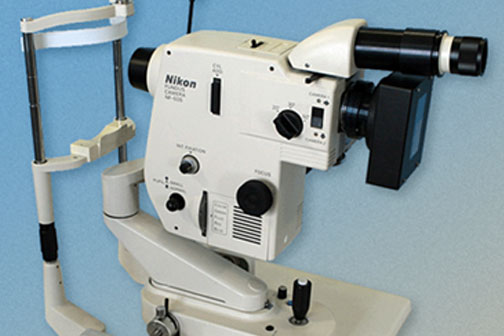
Photography Basics
$15.00
Photography Basics is intended for optometric and ophthalmic assistants of beginning and intermediate levels.
After completing this section the student should be able to do the following:
- Describe the makeup of film
- Discuss the basic difference in the make up of color versus black and white film
- Identify fast versus slow film from f stop numbers
- Describe exposure density and how it relates silver halide crystals
- List common shutter speeds and identify the faster speed versus the slower speed
- Discuss how the amount of light present affects the needed shutter speed
- Define f-stop and describe how a change in the f stop number affects the amount of light that passes to the film
- Describe depth of field as it relates to photography
- Discuss how resolution is affected by the number of grains on the film
- Identify which focal length would be telephoto versus panoramic
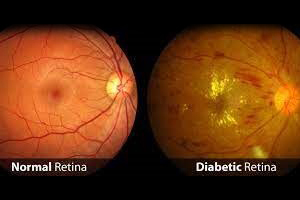
- Identify what is being photographed in fundus photography
- Describe the function of the following parts of the fundus camera: Ocular, Joystick, Magnification lever, focus knob, chin rest height adjuster, shutter release button, pupil size selector
- List main steps in performing fundus photography
- Describe how to load and rewind film properly in a 35 mm camera back
- Describe what types of photos should be taken for each of the following situations: Glaucoma, Diabetes, Choroidal nevus, Fluorescein angiography
- Identify what causes specific artifacts on fundus photos
This course should take approximately 1 hour to complete.
This course has been approved by the AOA Commission on Paraoptometric Certification (CPC) for continuing education credit for use toward paraoptometric certification renewal.
Related products